Texas A&M Forest Service Wildfire Risk Assessment for Local Area
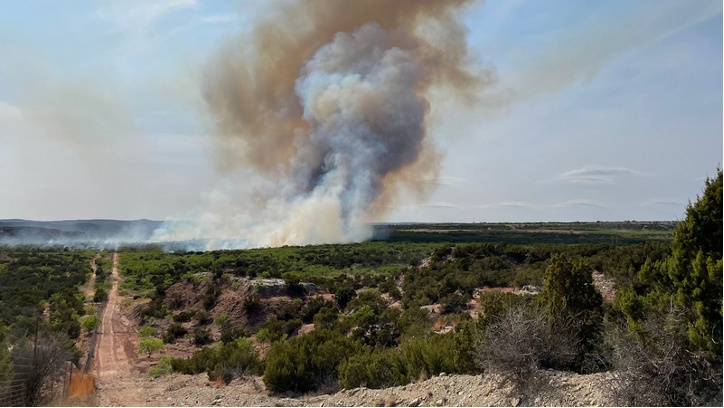
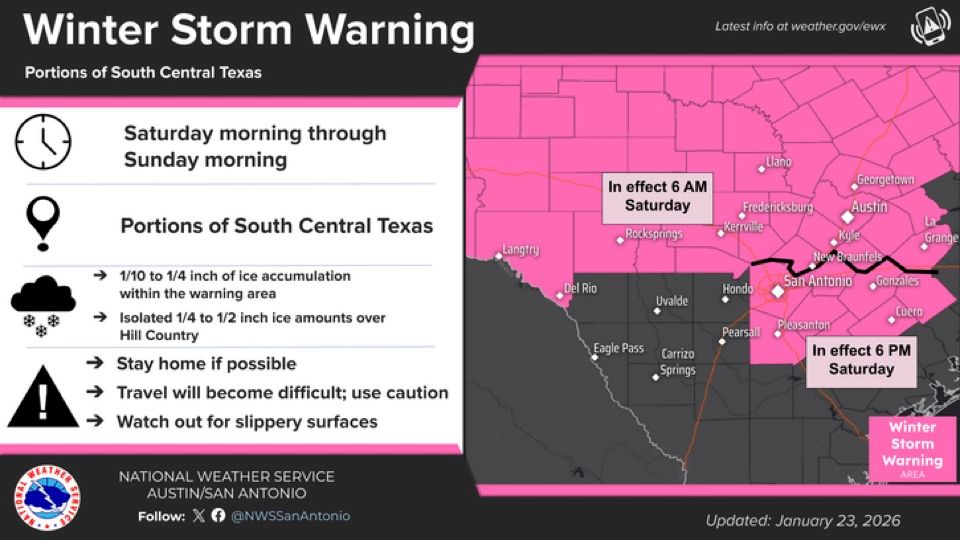
The Texas A&M Forest Service reports wildfire activity from October through mid-January running 136% above normal, with 434 fires burning 11,425 acres, fueled by persistent drought, heavy 2025 grass growth, and a forecasted La Niña bringing warmer, drier conditions through March. Starting Friday (1/23), the severe winter storm will produce well below normal temperatures and widespread precipitation chances for the entire state. The increased precipitation chances, influx of surface moisture, and the absence of fire weather will support limited initial attack fire potential. Any fires that occur should expect low resistance to control.
Heading into early next week, lingering below normal temperatures, a surplus of surface moisture, and no fire weather concerns will continue to support limited wildfire potential. Heading into early next week, lingering below normal temperatures, a surplus of surface moisture, and no fire weather concerns will continue to support limited wildfire potential.
Once the freeze cured grasses dry out, we likely will face elevated risk due to exceptional grass fuel loads that could enable large, fast-moving fires during windy dormant-season outbreaks—where such conditions historically drive only 3% of fires but 49% of acres burned since 2005.
With most Texas wildfires human-caused, we need to maintain strict vigilance on ignition prevention (e.g., equipment/debris burning restrictions during red flag weather), ensure rapid reporting, and prepare our resources for potential multi-incident demands through early spring.
# # #